
Feeding Therapy for Infants
Breast and bottle-feeding support for infants with latching difficulties, oral motor challenges, and other feeding concerns.
When Feeding Doesn't Come Naturally
Feeding is an infant's most complex task. It requires coordination of 26 muscles and the precise synchronization of sucking, swallowing, and breathing. While most infants develop this coordination naturally, some struggle due to tongue tie, oral motor weakness, prematurity, or other medical conditions.
Laura Friedman provides specialized infant feeding therapy to help babies feed more effectively and comfortably. Whether your infant is having difficulty with breastfeeding, bottle-feeding, or both, early intervention can make a significant difference in their feeding success and overall development.
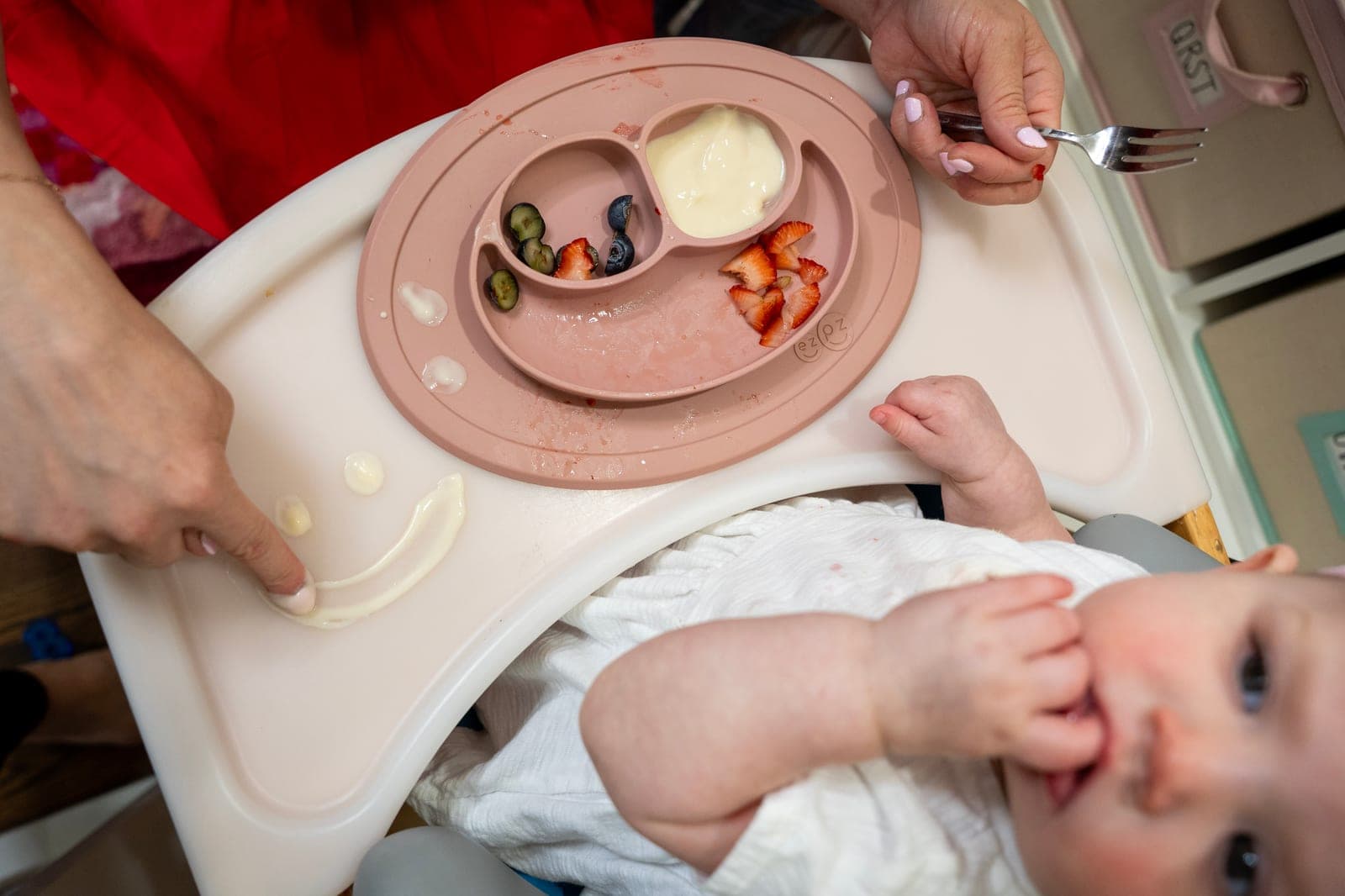
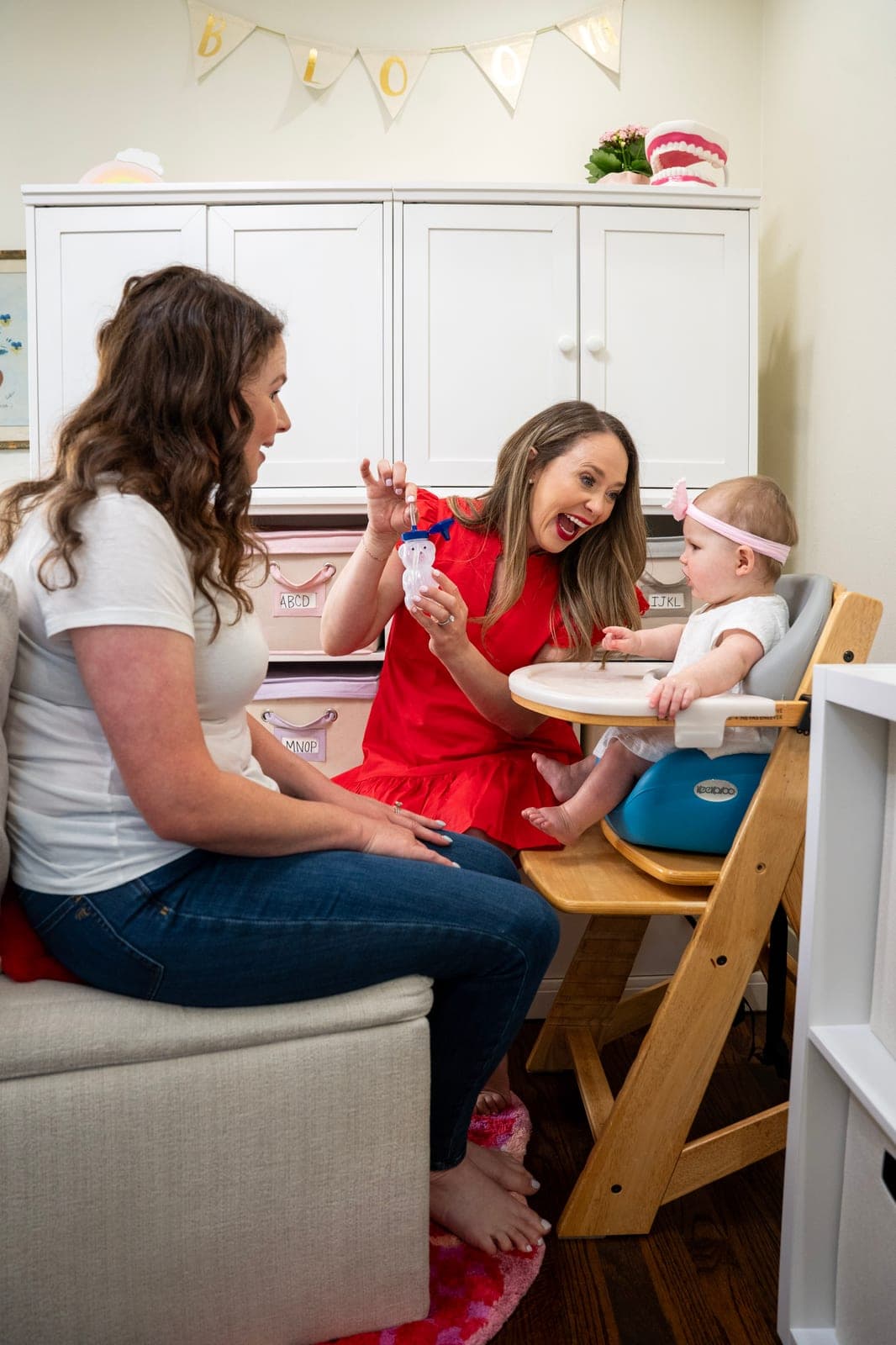
Guiding a feeding-therapy bite at our Dallas office
Signs Your Infant May Need Feeding Support
Our Approach to Infant Feeding Therapy
We use a structured, family-centered approach to help your infant feed safely and efficiently:
Comprehensive evaluation of oral motor function, feeding patterns, and suck-swallow-breathe coordination.
Techniques to improve tongue, lip, and jaw strength and coordination for more effective feeding.
Optimizing feeding positions and latch techniques for breast or bottle feeding.
Training parents in supportive feeding techniques, pacing strategies, and signs of stress during feeding.
Conditions We Address
Working with Your Healthcare Team
Infant feeding challenges often require a collaborative approach. We work closely with your pediatrician, lactation consultants, ENTs, and other specialists to ensure your baby receives comprehensive, coordinated care. This team-based approach allows us to address all factors affecting your infant's feeding and provide the most effective treatment plan.
From the studio
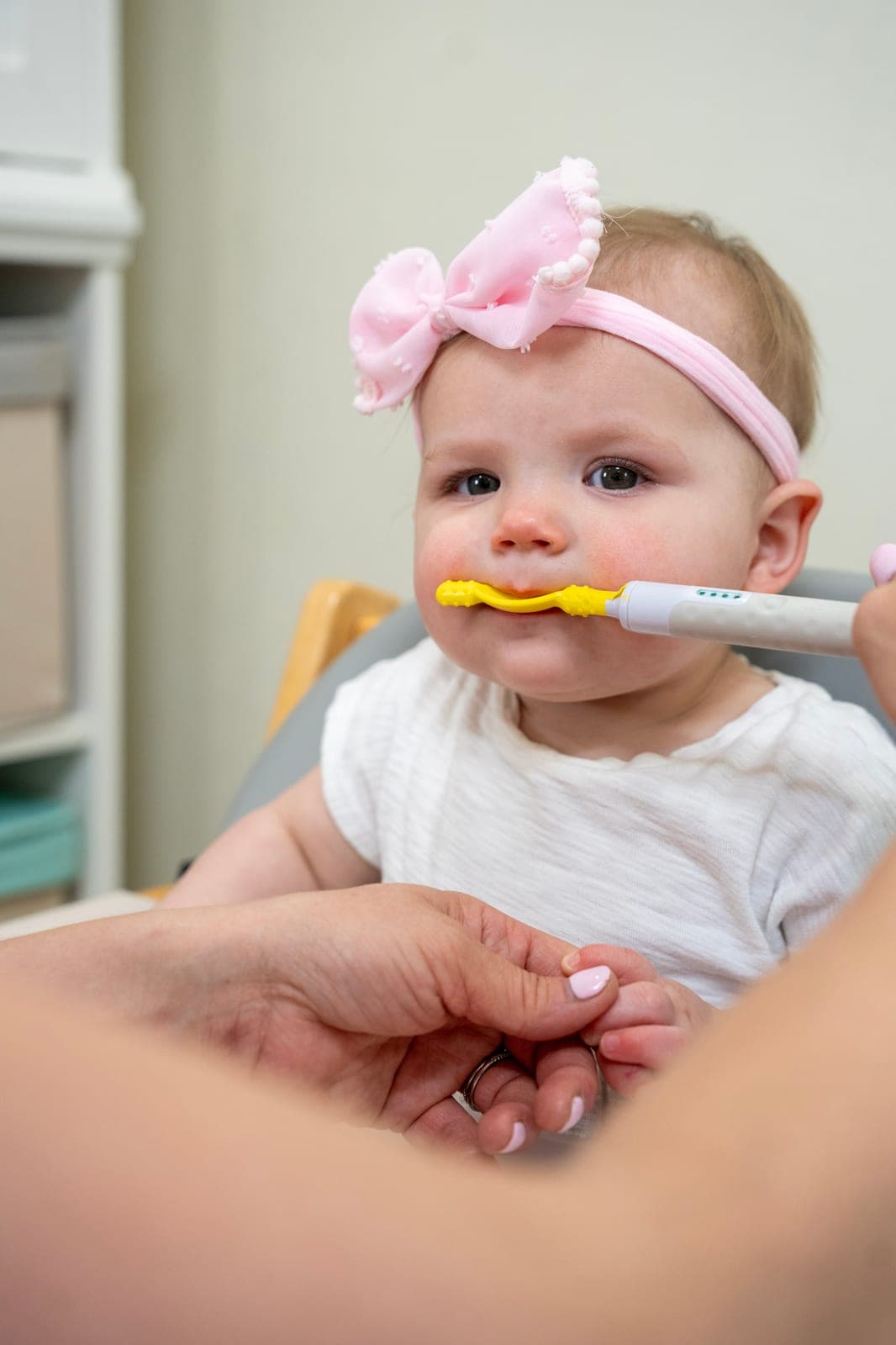
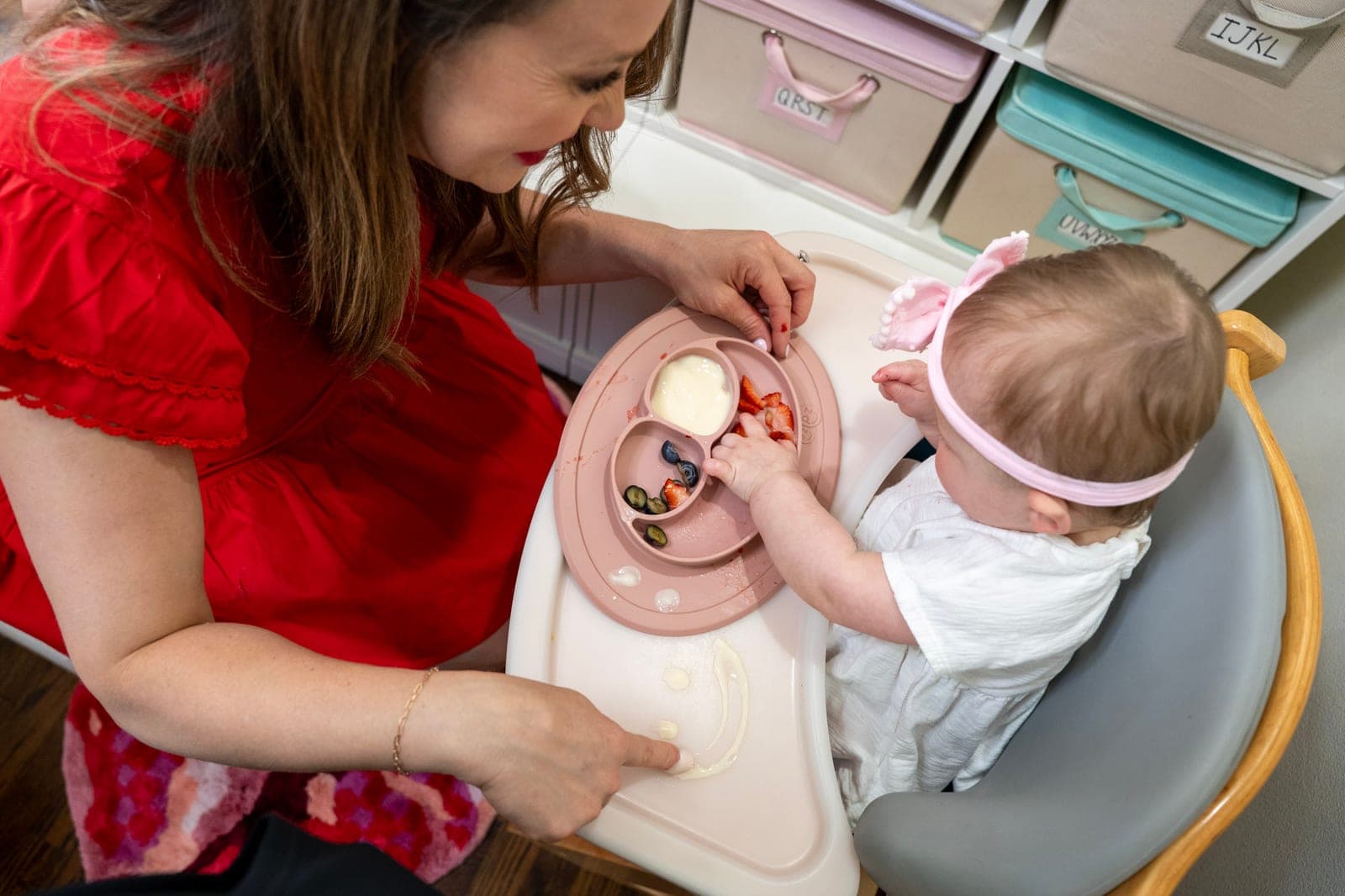
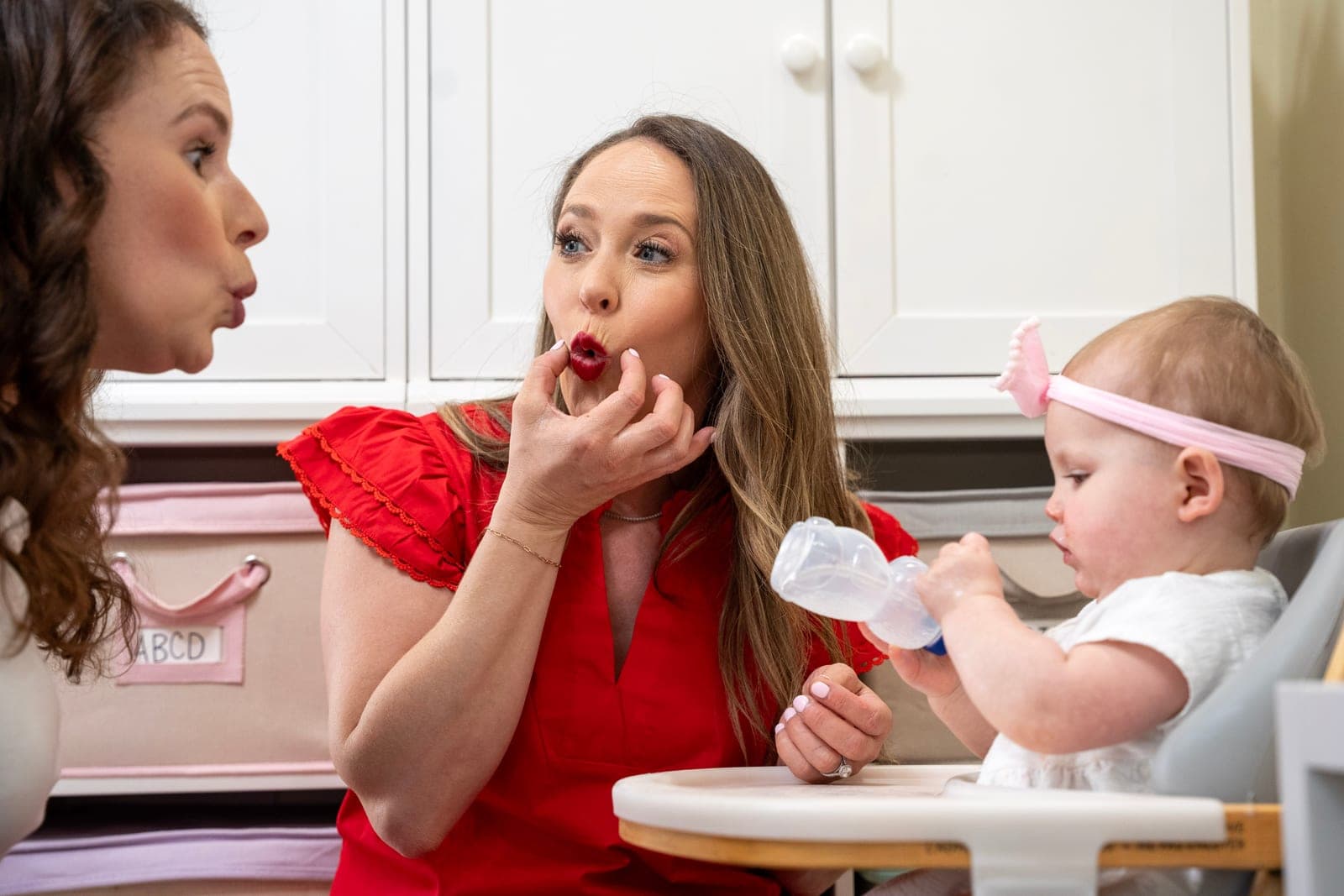
Moments from infant feeding sessions
A look at the gentle, step-by-step work that makes up a typical infant feeding session at our Dallas office.
Frequently Asked Questions
Worried About Your Baby's Feeding?
Schedule a free consultation to discuss your infant's feeding challenges and learn how we can help.