Orofacial Myofunctional Therapy
Specialized therapy to retrain the muscles of the face and mouth for optimal function. Led by Laura Friedman, a Qualified Orofacial Myologist (QOM) with 15+ years of experience.
What Is Myofunctional Therapy?
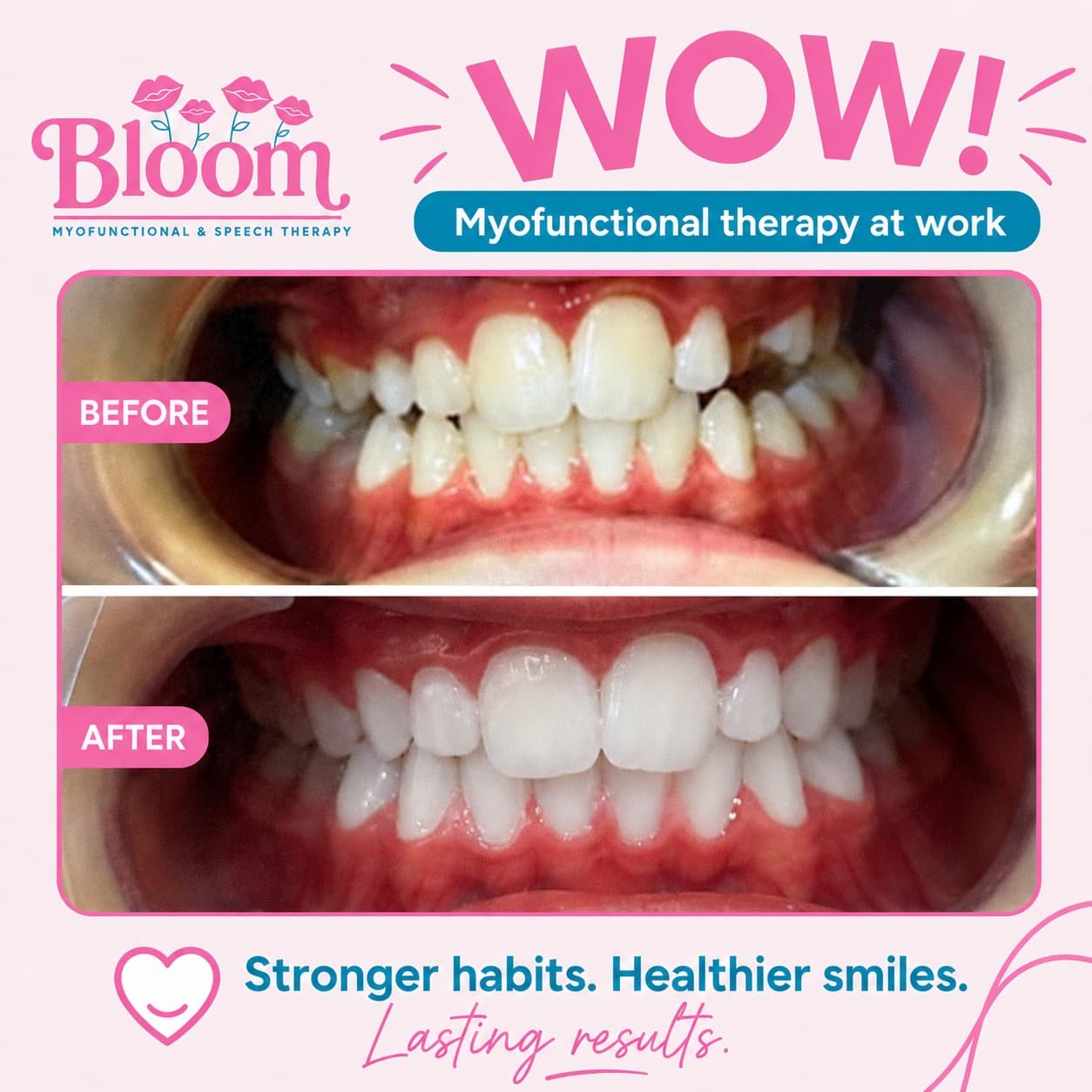
Orofacial myofunctional therapy targets improper function and posture of the orofacial muscles through targeted exercises that strengthen the tongue, lips, and facial muscles. Patients learn proper swallowing patterns, nasal breathing techniques, and correct tongue resting posture — all of which can significantly improve oral health, speech clarity, facial aesthetics, and sleep quality.
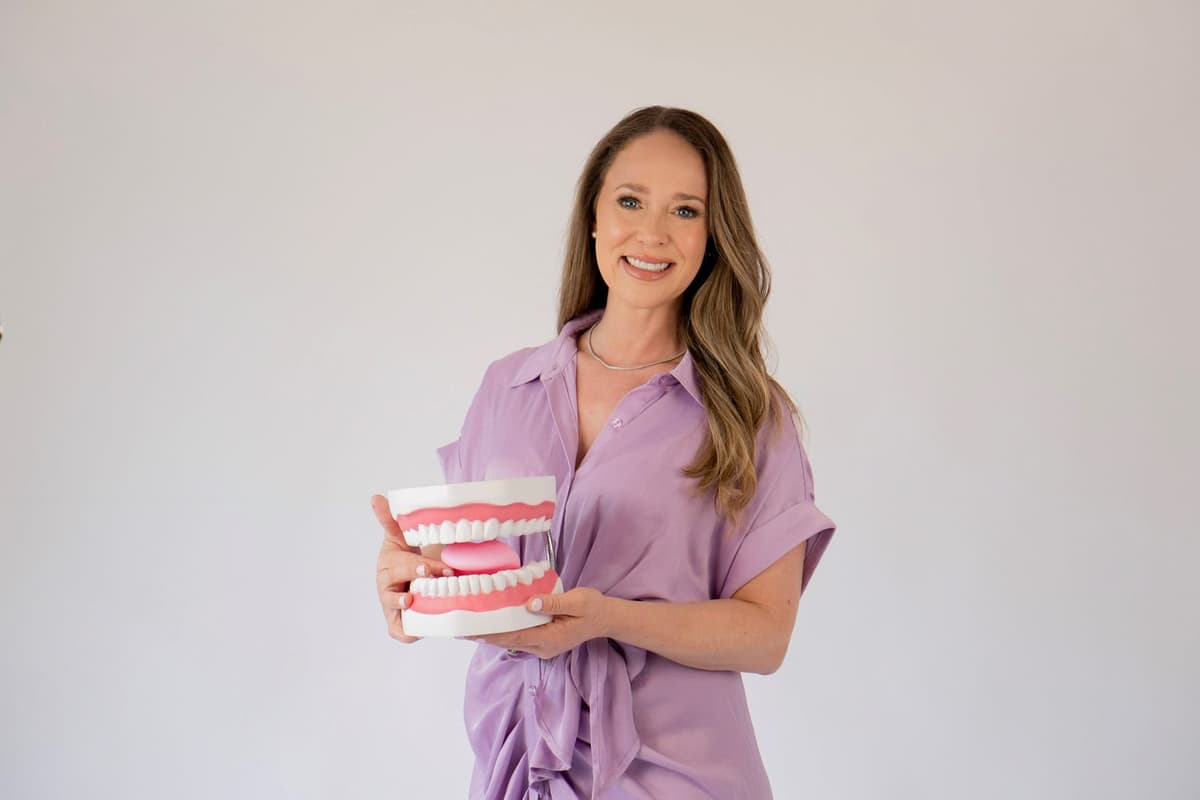
As a Qualified Orofacial Myologist (QOM) and certified speech-language pathologist, Laura brings a unique perspective that connects the dots between oral function and speech development. This dual expertise means patients receive truly comprehensive care.
Therapy looks different depending on who it is for. See myofunctional therapy for kids for how readiness, parent-led home practice, and growth change the plan for a child, or myofunctional therapy for adults for treatment once growth is finished.
Curious what the exercises themselves involve? Our guide to myofunctional therapy exercises walks through the nasal breathing, tongue posture, lip seal, swallowing, and jaw work a program covers — and how it is sequenced.
Told you need one but not sure which? Our comparison of myofunctional therapy vs. speech therapy explains what each one treats, where tongue thrust and speech sounds overlap, and which evaluation to book first.
Sent here by an orthodontist? Our answer to whether myofunctional therapy can fix an overbite sorts out overbite, overjet, and open bite, and explains what muscle work can and cannot change about a bite.
Heard “myofascial” and wondered if it is the same thing? Our comparison of myofunctional therapy vs. myofascial therapy separates exercise-based retraining from hands-on soft-tissue work, and explains where the two meet for jaw pain.
Seen “mewing” videos and wondered if this is the same idea? Our comparison of myofunctional therapy vs. mewing explains where the two overlap on tongue posture, what the evidence says about jawline claims, and the risks of pressing too hard.
Facing a tonsillectomy, or dealing with snoring that came back after one? Our guide to myofunctional therapy vs. tonsillectomy explains what surgery does, what the research says it often leaves behind, and where retraining fits in the sequence.
Already been assigned mouth exercises elsewhere? Our comparison of myofunctional therapy vs. oral motor therapy explains the difference between building a movement and changing a resting habit, and what the research supports for speech, feeding, and the airway.
Just had a tongue tie released, or had one released years ago? Our guide to what happens after a tongue tie release explains why new range of motion is not the same as a new habit, what the 2024 AAP report and the 2025 reattachment studies actually say about stretching, and what the retraining sequence looks like for infants, children, and adults.

Conditions We Treat
Our Myofunctional Therapy Services
Tongue Thrust Treatment
Correcting improper tongue positioning during swallowing and at rest using the proven 4S method and other evidence-based exercises.
Learn more →Mouth Breathing Treatment
Retraining nasal breathing patterns to improve sleep quality, facial development, and overall oral health.
Learn more →Thumb Sucking Elimination
Our specialized program helps children break the thumb sucking habit with positive, supportive strategies.
Learn more →Myofunctional Therapy for Kids
Pediatric therapy for tongue thrust, mouth breathing, and oral habits — correcting muscle patterns while the face and jaws are still growing.
Learn more →Myofunctional Therapy for Adults
Addressing tongue thrust, TMJ pain, sleep-disordered breathing, and other orofacial concerns in adult patients.
Learn more →Tongue Tie (Pre & Post Frenectomy)
Myofunctional therapy before and after tongue tie release to optimize outcomes, prevent reattachment, and build new movement patterns.
Learn more →Sleep Apnea & Airway Health
Myofunctional exercises to strengthen orofacial muscles and support better breathing during sleep.
Learn more →TMJ Disorder Support
Improving jaw alignment and muscle balance to help reduce pain associated with temporomandibular joint disorders.
Learn more →Frequently Asked Questions
Think Myofunctional Therapy Could Help?
Schedule a free consultation with a Qualified Orofacial Myologist to discuss your concerns.