
Feeding Therapy for Toddlers
Helping toddlers expand their diets and develop healthy relationships with food through the SOS Approach to Feeding.
When Picky Eating Is More Than a Phase
Every toddler has food preferences. But when a child's diet becomes extremely limited, when mealtimes consistently end in tears, or when growth is affected, it may be time for a professional feeding evaluation. At Bloom, we help toddlers overcome feeding challenges with patience, play, and proven therapeutic methods.
Laura Friedman is trained in the SOS (Sequential Oral Sensory) Approach to Feeding — an evidence-based method that helps children learn to eat new foods through systematic, playful steps that respect the child's comfort level.
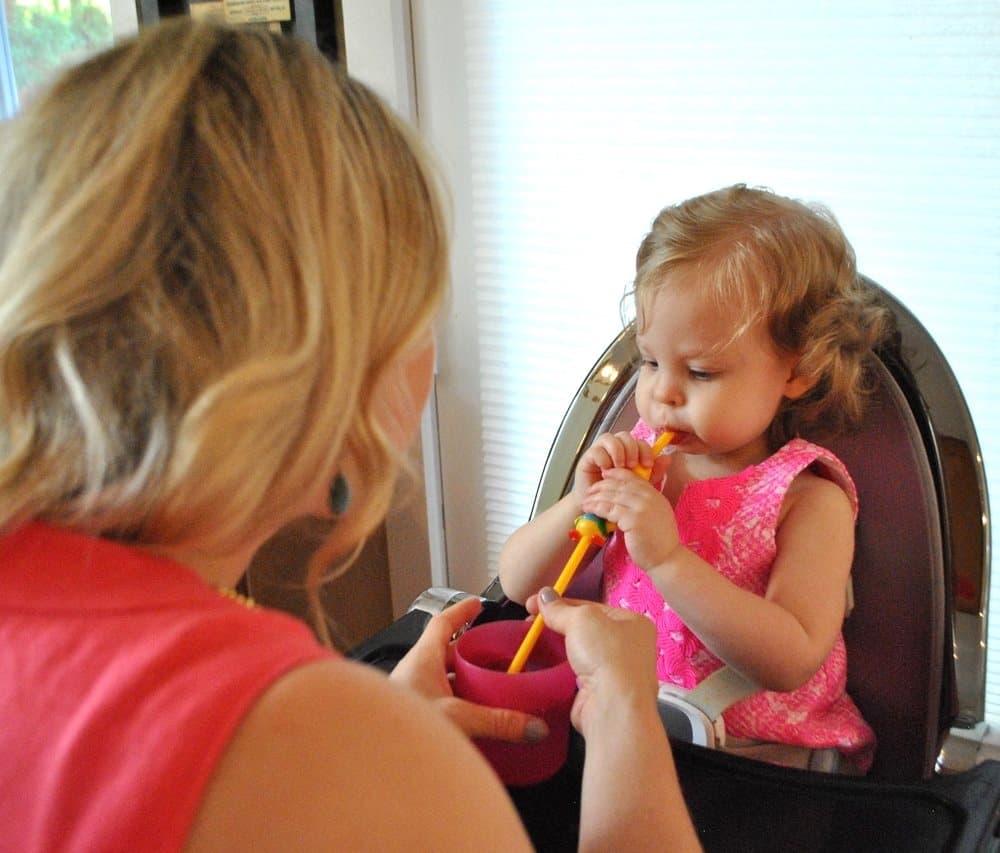
Oral motor feeding exercises with a young patient
Signs Your Toddler May Need Feeding Therapy
The SOS Approach to Feeding
The SOS method uses a systematic hierarchy to help children build comfort with new foods:
The child can be in the same room as the food without distress
The child can touch, play with, or move the food without eating it
The child brings the food close to their nose voluntarily
The child touches the food to their lips or chin
The child places the food in their mouth (they may spit it out)
The child chews and swallows the food
Family-Centered Feeding Therapy
Feeding challenges affect the whole family. We work closely with parents and caregivers, providing strategies to make mealtimes less stressful at home. You'll learn how to present foods, respond to food refusal, and create a positive mealtime environment that supports your child's progress.
Frequently Asked Questions
Struggling with Mealtimes?
Schedule a free consultation to discuss your toddler's feeding challenges and learn how we can help.